
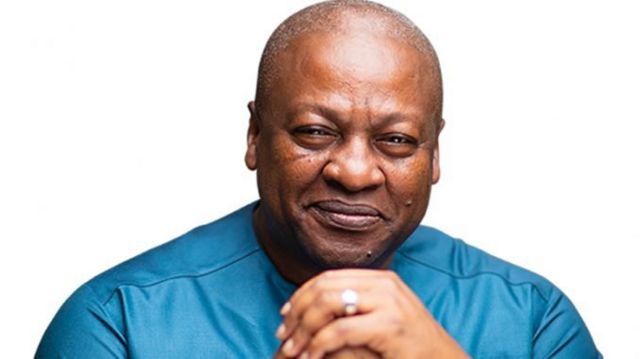
A growing number of Ghanaians are grappling with the strain of higher food costs and increasing daily expenses, with a fresh survey by the Institute of Economic Affairs (IEA) showing widespread public unease over living conditions.
The study indicates that economic hardship remains a dominant concern nationwide, even as President John Dramani Mahama continues to enjoy notable public support.
Details contained in a press statement released by the IEA on February 11, 2026, show that 71 per cent of participants said they are “very concerned” about the rising prices of food and other essential goods. The survey, carried out in December 2025, involved more than 1,000 respondents drawn from all regions of the country.
Beyond inflation and food prices, the research also highlighted unemployment and illegal mining as key national challenges. According to the findings, 46 per cent of respondents described unemployment as a major issue, while 30 per cent pointed to illegal mining as a significant worry.
“The survey was designed to assess public opinion on prevailing socioeconomic pressures one year after the 2024 general election, as well as to evaluate perceptions of the President’s job performance,” the IEA stated.
Although the think tank acknowledged signs of improvement in certain macroeconomic indicators, it stressed that many families are still struggling to stay financially afloat.
Notwithstanding these economic pressures, public confidence in President Mahama’s leadership remains relatively strong. The poll found that 68 per cent of respondents approve of his performance in office, compared with 22 per cent who disapprove, while 10 per cent expressed no clear opinion.
The results paint a layered picture of public sentiment, suggesting that while citizens maintain trust in the President’s leadership, frustrations tied to day to day economic realities persist.
President Mahama assumed office on January 7, 2025, at a time when the country was battling mounting public debt, high inflation, currency instability and rising unemployment.
Summarising its findings, the IEA said the survey reflects “a mixed national mood” — strong approval of the President’s performance, coupled with sustained concern about rising living costs and household economic pressures.
Read the statement below.
